What's in a name?
"A rose by any other name would smell as sweet"
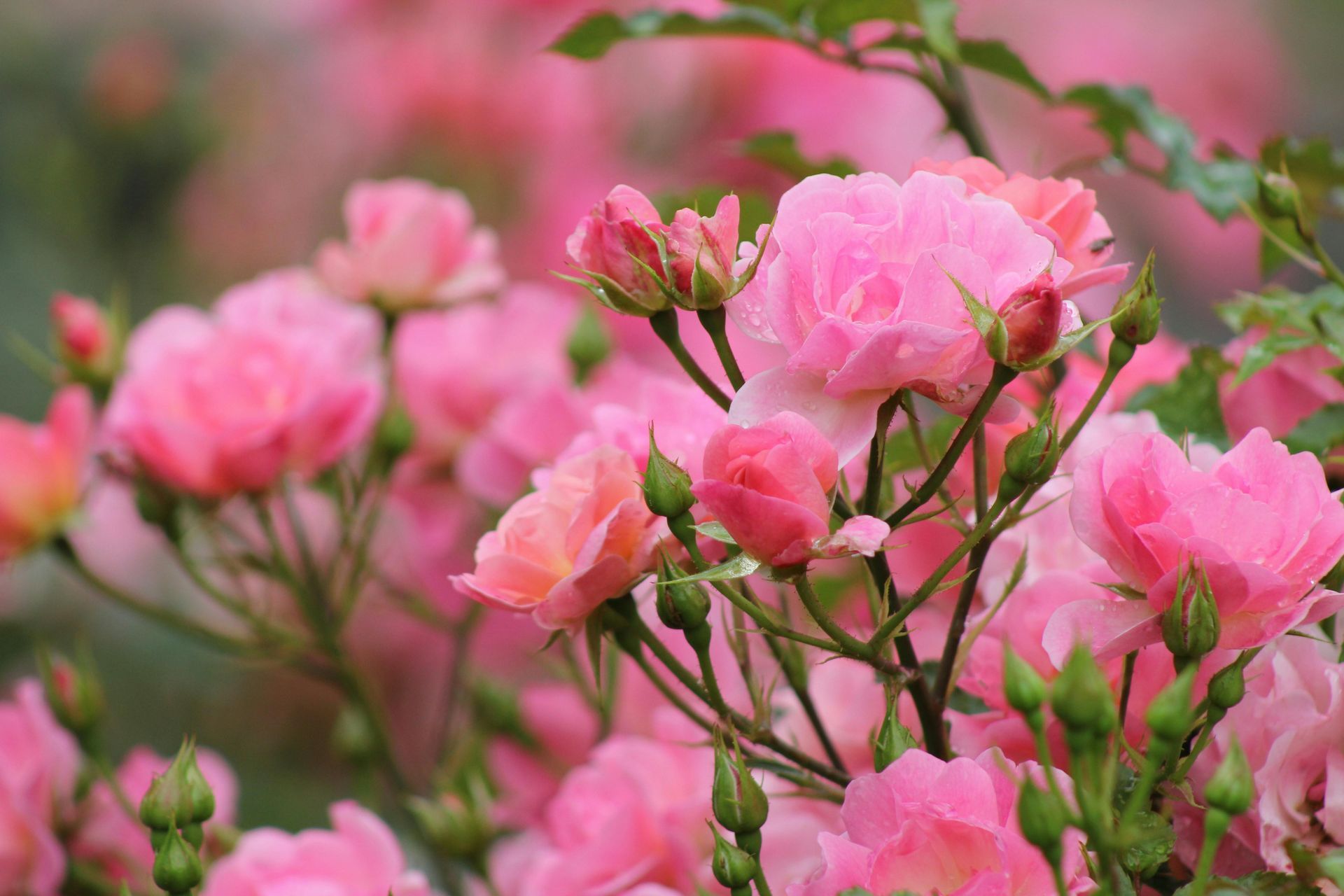
William Shakespeare raised this question in Romeo and Juliet, and it has been a topic of conversation ever since. This principle—that things are what they are, no matter what name you give them—is at the heart of the tragedy of Romeo and Juliet. It also weighs on the hearts of new parents when they consider names for their children; politicians as they prepare to run for office; actors, singers, athletes, and more.
Not to contradict the famous bard, but I would argue that names carry far more importance than he claimed. Like any other word, a name conveys context. It sets an expectation. John Wayne was born Marion Morrison; Judy Garland was Frances Gumm. Would either of these given names carry the same weight as their chosen names? Many singers have also chosen "career" names. Elton John switched from his original name, Reginald Kenneth Dwight, for example; and Bob Dylan was born Robert Allen Zimmerman.
Even United States presidents have changed their names. Gerald Ford was born Leslie Lynch King Jr., and at least a dozen others altered their given names before they ran for public office. And don't get me started on the various companies and products using a different name than their original moniker. Starbucks was first named Pequod, after the whaling ship in the story of Moby-Dick. They later switched it to Starbuck, who was the ship's chief mate.
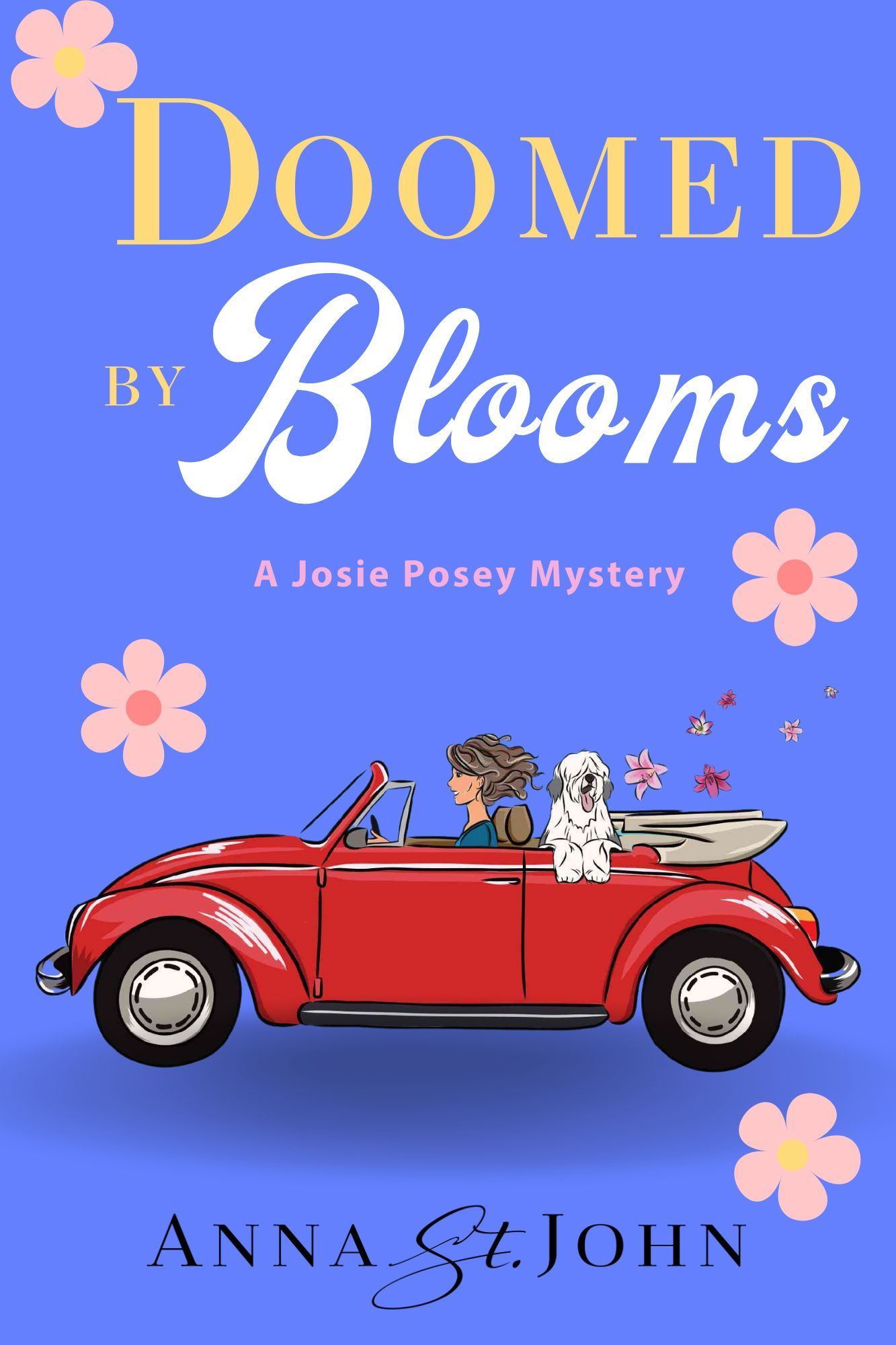
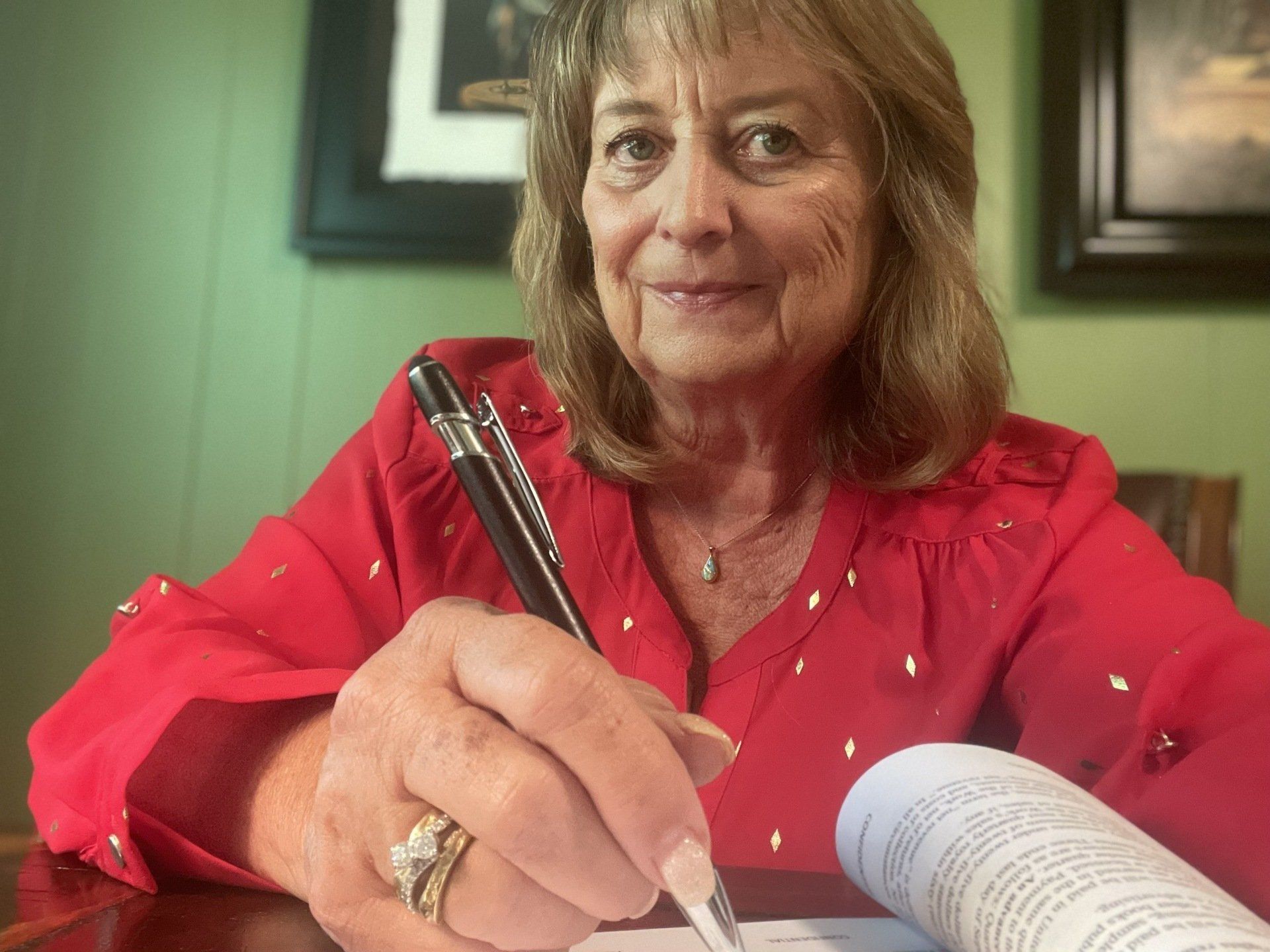
All of this leads to an explanation of my decision to write books under two names. I chose my pen name, Anna St. John, because I felt my true name was shared by too many people—including four Susan Armstrongs at my eye doctor's office. Over the years, I had found that my name was so common it became difficult for people to remember. I received correspondence addressed to Susan Anthony, Sharon Armstrong, and many other variations on the theme.
I also wanted to establish my author name, and the social media attached to it, separately from my personal accounts. With that logical thought in mind, I created a name based on family connections. My grandmother, Anna, was an avid reader who once became so engrossed in her book that she forgot to churn the butter; she received a solid scolding from her mother for the oversight. The initials S.T. represent my maiden name initials. John was my father's name; he was the first to encourage me to write, and his name worked best with the rest. (Although my mother, Dee, saved every poem and essay I brought home, inserting her name into the equation—Anna DeeJohn—might have been too close to the sound of the well-known Dijon mustard.)
Anna St. John has served me well for my fiction writing, but I will write under my real name for nonfiction. This will help readers find the type of book they are seeking. Mysteries and fiction by Anna St. John; nonfiction by Susan Trout Armstrong. Besides, it feels odd to use a pen name when writing a true story.
I hope you'll agree, and that you'll find something here you'd enjoy reading. By the way, William Shakespeare's name was recorded as Gulielmus Shakspere in the Stratford-on-Avon baptismal register on April 26th, 1564.